One consequence of technology? Consumer segmentation models are dead.
That’s an overstatement, but that very sentiment was expressed on a recent webinar about marketing strategies by a speaker who was reflecting on the movement toward “segment of one” marketing.
Nobody doubts that technology makes it possible for brands to offer an unprecedented level of deep personalization in services and offers. The idea behind a “segment of one” is that a each individual customer or prospect is a unique market “segment”, with their own specific behaviors, attitudes, preferences, needs, and goals. Because technology makes it possible to personalize messaging, offers, and pricing so rapidly and so precisely, many brands are now adopting this strategy.
For example, web sites can vary the content and products they display to visitors based on past browsing, purchase history, and other available data about each consumer. In some cases, consumers accessing a site at the same time see different prices for the very same product.
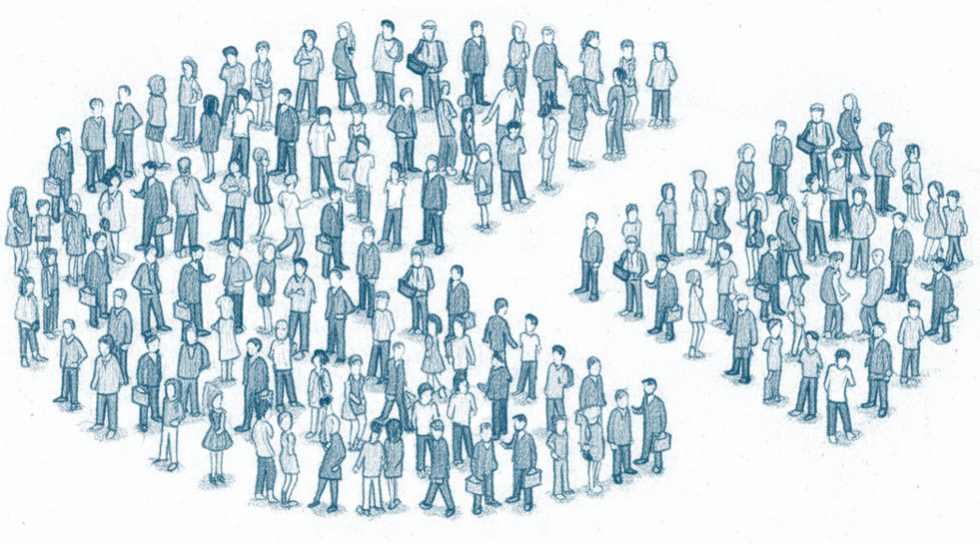
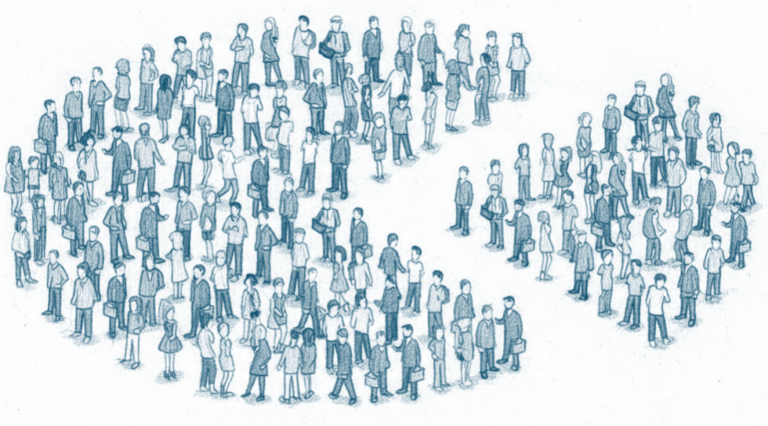
Of course, each of us does have our own unique view on the world. But traditional consumer segmentation models — placing large groups of consumers into a handful of segments based on their similar attitudes, needs, and preferences — play an important role in brand health and growth. Personalization makes it possible to execute individual interactions. But traditional segmentation models create the strategy and framework that drives brand growth.
We regularly use focus groups, large-scale quantitative surveys, and advanced statistical models to develop market segmentations for clients that help them refine and improve messaging and product designs that will resonate with the needs of key groups.
Segmentation helps brands grow by:
- Providing a higher-level, manageable view of the customer landscape to help design products and services that best meet the needs of a target market
- Creating a foundation for planning and scaling personalization — by segmenting an audience into meaningful groups and then applying deep personalization within each segment
- Defining and understanding consumers in ways that are distinct from — and more effective than — your competitors.
Want to learn more? Let’s talk today.